
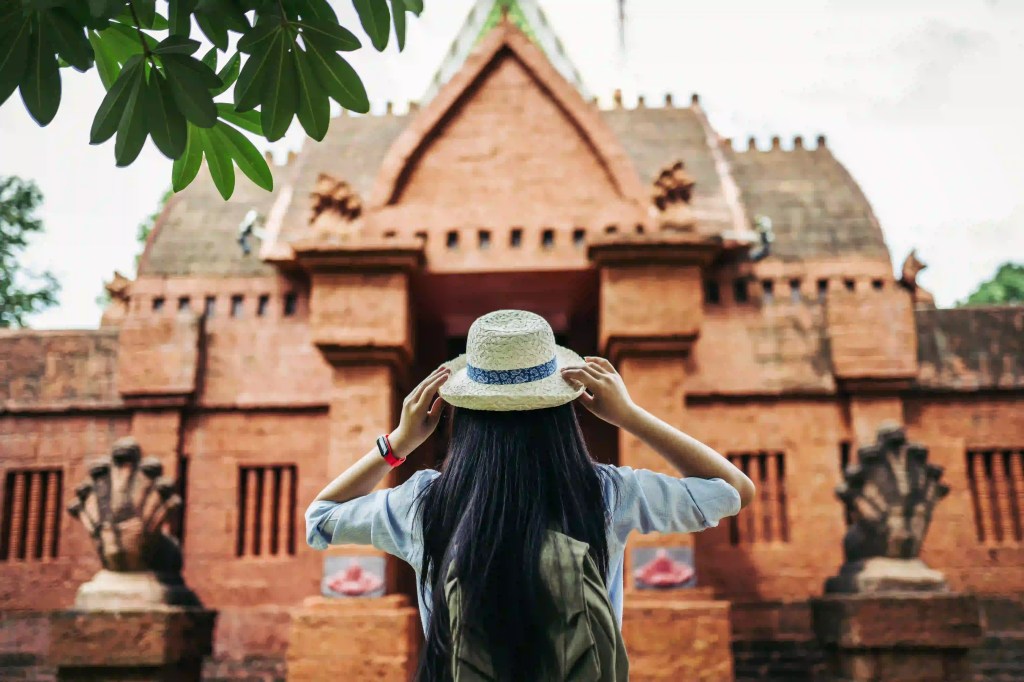
Banglamphu, an ancient district nestled in the heart of Bangkok, Thailand, is a haven for history enthusiasts seeking to travel back in time and relive the splendor of bygone eras.
With its rich cultural heritage, iconic landmarks, and traditional Thai charm, Banglamphu has managed to preserve its essence amidst the modern hustle and bustle of the city.
This article will take you on a captivating journey through the history of Banglamphu, exploring its origins, historical landmarks, cultural heritage, and efforts to preserve its legacy.
Exploring the Origins of Banglamphu
The Historical Significance of Banglamphu
The district of Banglamphu holds immense historical significance as it was once the residence of the royal family during the early Rattanakosin period.
Established in the late 18th century by King Rama I, the area exudes a regal aura with its majestic palaces and grand architecture.
Tracing the Roots of the District
Delving deeper into the roots of Banglamphu, we find its historical links to the ancient city of Ayutthaya, the former capital of the Siamese Kingdom.
The district’s name itself, “Banglamphu,” translates to “place of plum trees,” signifying its lush greenery and scenic landscapes that attracted royalty and nobles centuries ago.
Key Historical Landmarks
The Grand Palace
At the heart of Banglamphu stands the resplendent Grand Palace, a magnificent architectural marvel that served as the official residence of the Thai monarchy for generations.
The palace complex, adorned with intricate details and stunning gold-plated spires, houses the sacred Emerald Buddha, an iconic symbol of Thailand’s spiritual heritage.
Wat Pho (Temple of the Reclining Buddha)
Adjacent to the Grand Palace, the serene Wat Pho, or the Temple of the Reclining Buddha, welcomes visitors with its massive 46-meter long, gold-plated Buddha statue.
This temple is not only a spiritual center but also a hub of traditional Thai massage and medicinal knowledge.
Democracy Monument
A contrasting symbol of modern history, the Democracy Monument, erected in the heart of Banglamphu in 1939, commemorates the Siamese Revolution of 1932.
This landmark marks the transition from an absolute monarchy to a constitutional monarchy, shaping the political landscape of Thailand.
Banglamphu’s Cultural Heritage
Traditional Thai Cuisine
Banglamphu offers a gastronomic journey into the world of traditional Thai cuisine. With its vibrant street food markets and age-old recipes, visitors can savor delectable dishes like Pad Thai, Tom Yum, and Som Tum while immersed in the district’s cultural ambiance.
Local Artisans and Craftsmanship
The district is also known for its skilled artisans who continue to uphold centuries-old craftsmanship. From exquisite handwoven textiles to intricate pottery and woodwork, visitors can witness the timeless artistry of Banglamphu’s local craftsmen.
Folklore and Festivals
Throughout the year, Banglamphu comes alive with colorful festivals that showcase the rich folklore and heritage of Thailand.
Events like Songkran (Thai New Year) and Loy Krathong (Festival of Lights) provide a glimpse into the nation’s cultural traditions and celebrate the community spirit.
The Modern Transformation of Banglamphu
Emergence of Cafes and Boutiques
While preserving its historical charm, Banglamphu has also embraced modernity with the emergence of trendy cafes, boutique hotels, and artsy spaces.
These contemporary establishments blend harmoniously with the district’s traditional ambiance, offering visitors a unique experience.
Sustainable Tourism Initiatives
In recent years, sustainable tourism initiatives have gained momentum in Banglamphu. Locals and authorities collaborate to promote responsible tourism, ensuring the preservation of cultural heritage while minimizing the impact on the environment.
The Chao Phraya River: Lifeline of Banglamphu
Historical Importance of the River
The Chao Phraya River, flowing alongside Banglamphu, has been a lifeline for the district since its inception.
Historically, it served as a crucial trade route and played a significant role in shaping the area’s culture and economy.
River Cruises and Waterfront Attractions
Tourists can indulge in delightful river cruises along the Chao Phraya River, providing stunning vistas of the city’s landmarks and offering a serene escape from the bustling streets.
The riverfront attractions along Banglamphu’s banks add to the allure of this historical district.
Embracing the Local Experience
Homestays and Community Tourism
To truly immerse in Banglamphu’s history and culture, travelers have the option of staying in traditional homestays within the district.
This provides an intimate experience of the local lifestyle and fosters a deeper connection with the community.
Participating in Local Activities
Engaging in local activities, such as traditional dance classes or learning Thai cooking, allows visitors to actively participate in preserving the cultural heritage of Banglamphu.
Immersion in Thai Culture
By attending local festivals and events, travelers can embrace the vibrancy of Thai culture, forging unforgettable memories and understanding the district’s historical legacy.
The Birth of Pipit Banglamphu
The story of Pipit Banglamphu dates back to the early 18th century when it was established as a small trading post along the Chao Phraya River.
Over the centuries, it grew into a bustling hub of commerce and culture, attracting merchants, artisans, and travelers from all around.
The Cultural Melting Pot
Pipit Banglamphu has a rich cultural heritage shaped by the diverse influences of Chinese, Indian, and European settlers.
The blending of these cultures gave rise to a unique fusion of traditions, architecture, and culinary delights that make this destination stand out.
Preserving Banglamphu’s Heritage
Challenges and Conservation Efforts
Despite its allure, Banglamphu faces challenges in preserving its historical heritage amid the rapid urban development.
Balancing modernization with conservation remains a delicate task that requires constant efforts.
Community Involvement and Sustainable Practices
Community involvement and sustainable practices play a crucial role in safeguarding Banglamphu’s cultural identity.
Collaborative initiatives among locals, businesses, and authorities are vital for a sustainable future.
Conclusion
Stepping into Banglamphu is akin to embarking on a captivating journey through time. This ancient district, with its historical landmarks, cultural heritage, and local experiences, offers a truly unique and enriching travel experience.
By embracing the past while adapting to the present, Banglamphu stands as a shining example of how preserving heritage can thrive alongside modernity.
 INAGAME88
Leave a comment